
Startup costs: understand the full opening budget.
Separate equipment and fitout, pre-opening expenses, working capital, and the cash you want to retain.
What this topic covers
- Defined uses of startup cash
- Spending versus retained reserves
- The quotes and timing to check
Startup Costs guides
Case-based explanations with visible assumptions, definitions, and sources.
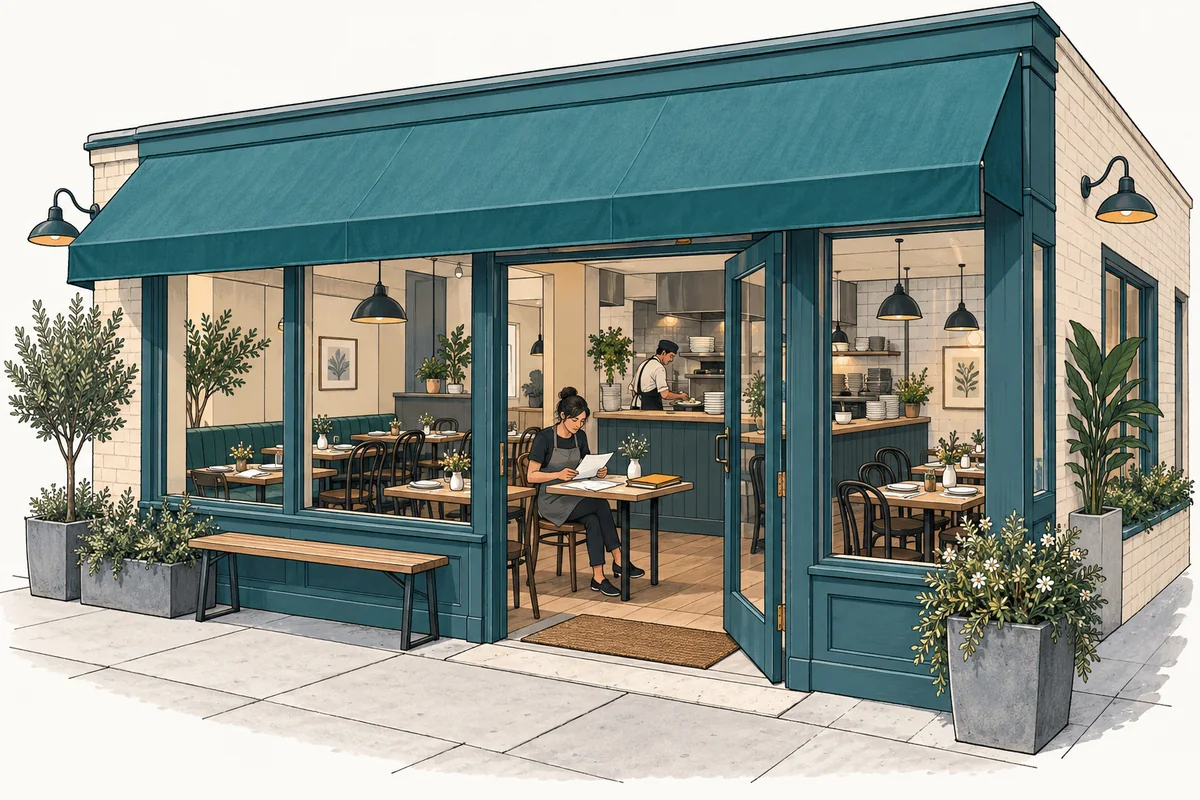
How much cash should a restaurant keep beyond its opening budget?
Separate restaurant build costs, operating cash needs, and retained reserves using a transparent funding reconciliation from one full-service planning case.
Read the guideHow do vendor quotes become a startup budget without counting deposits or reserves twice?
Turn scoped vendor quotes into dated cash uses, reconcile deposits to final payments and retain a separate opening cash reserve.
Read the guide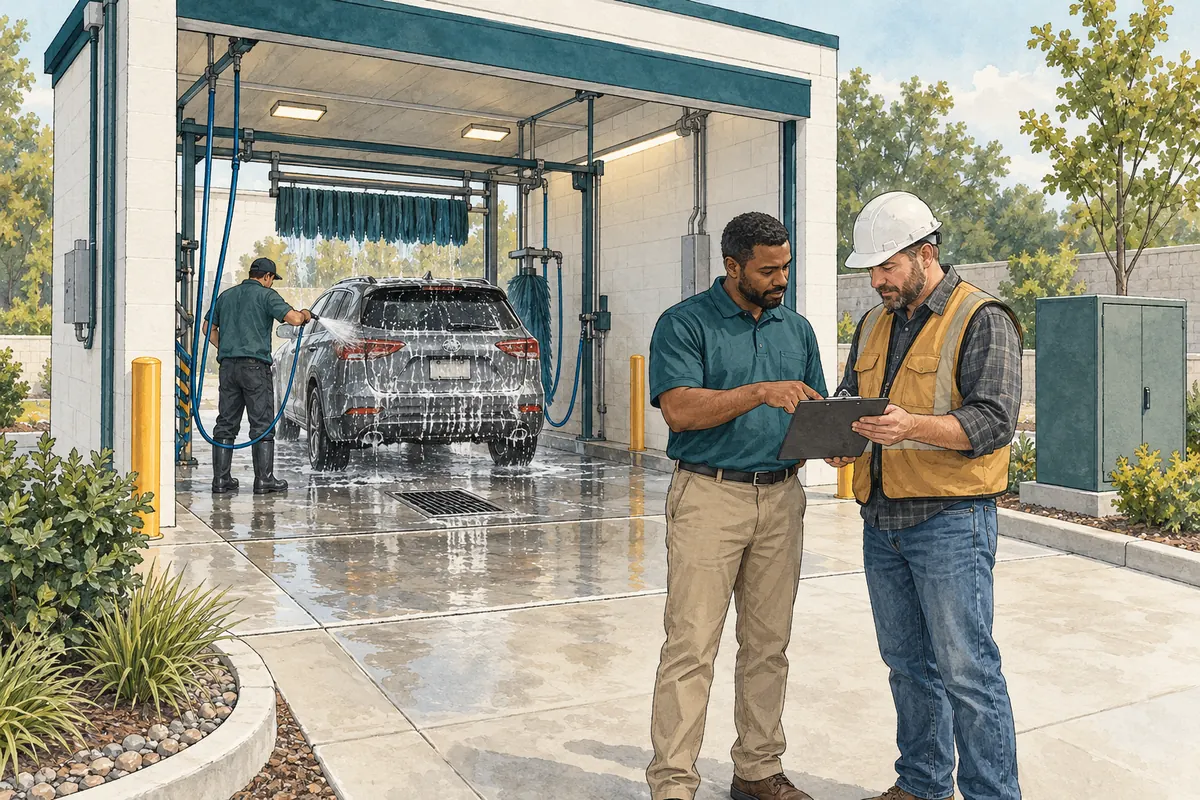
Which site and water-system commitments change a car wash startup budget?
Separate fixed-site, mobile and host-site wash obligations, using Fairfax County as a specific wastewater example rather than a national cost estimate.
Read the guideWhich restaurant equipment and fitout quotes belong in the opening budget?
Define contractor inclusions, equipment interfaces and payment timing before using a restaurant fitout quotation as a startup budget.
Read the guideNo guides match those filters.
Try a shorter phrase or choose all guides.
Explore another topic
Choose the question you need to answer next.
Put the operating plan into a workbook.
Review the model's scope, inputs, and outputs before choosing your own assumptions.