
Blog: choose, cost and plan a business.
Practical guides to financial assumptions, startup cash, operating capacity, and investment recovery. Read the operating case, then explore the matching Excel model.
- Choosing a business?Start with how each format operates.Business Ideas
- Planning an opening?Separate spending from your cash reserve.Startup Costs
- Testing the numbers?Trace demand, capacity, and cash.Revenue & Profitability
- Opening a workbook?Read its assumptions before changing them.Financial Planning
Start with these guides
Case-based explanations with visible assumptions, definitions, and sources.
How to read financial assumptions before editing an Excel model
Follow the chain from operating assumptions to calculated results, check units and timing, and keep a useful record of changes to a financial workbook.
Read the guide
How much cash should a restaurant keep beyond its opening budget?
Separate restaurant build costs, operating cash needs, and retained reserves using a transparent funding reconciliation from one full-service planning case.
Read the guide
Why more restaurant demand does not always mean more revenue
Follow restaurant demand through seats, equipment, and funded staff hours to understand which guests can actually be served and billed.
Read the guideRestaurant break-even vs. payback: which milestone are you measuring?
Understand the difference between a positive restaurant operating month, cumulative project cash recovery, and cash actually distributed to an owner.
Read the guide
What does a takeout order leave to cover paid labor?
Follow a takeout order from net sales through food, packaging, and payment costs, then test whether the remaining contribution covers scheduled payroll.
Read the guide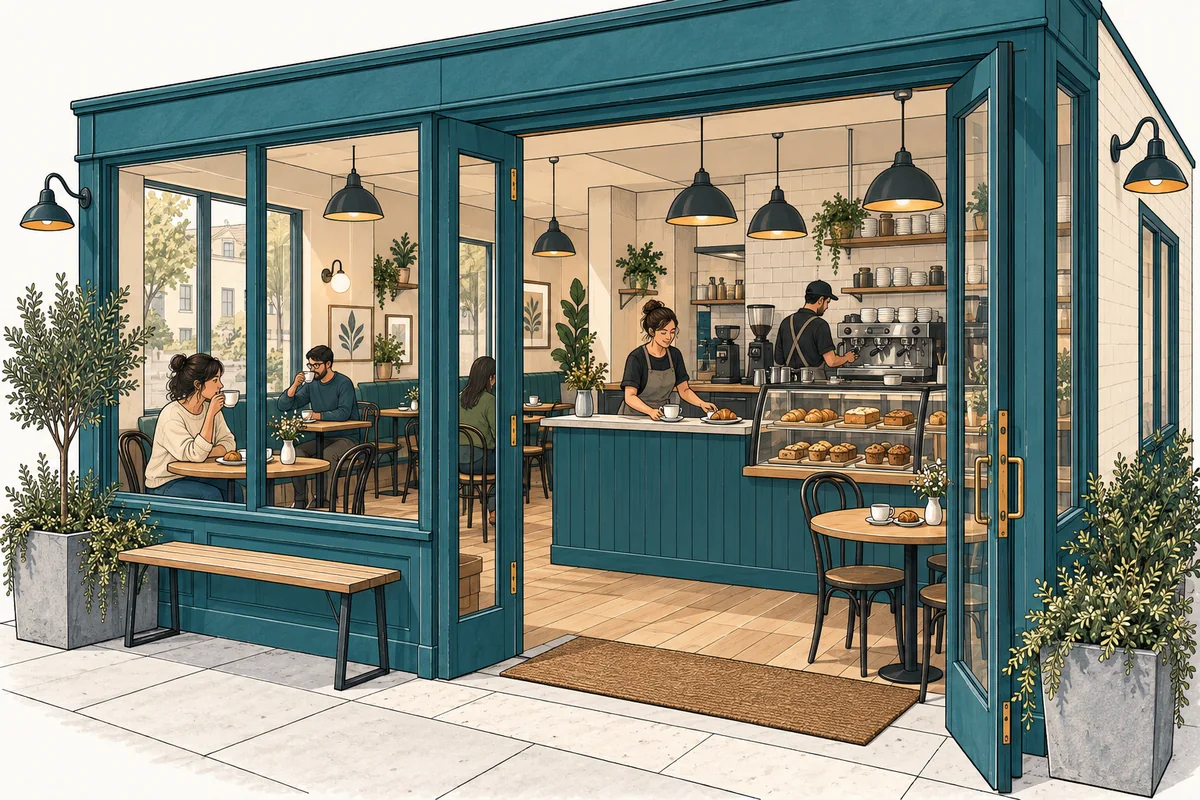
When do seats and barista time limit coffee shop sales?
Convert seats and guest dwell time into a capacity ceiling, then check drink preparation and espresso equipment before treating demand as coffee shop sales.
Read the guide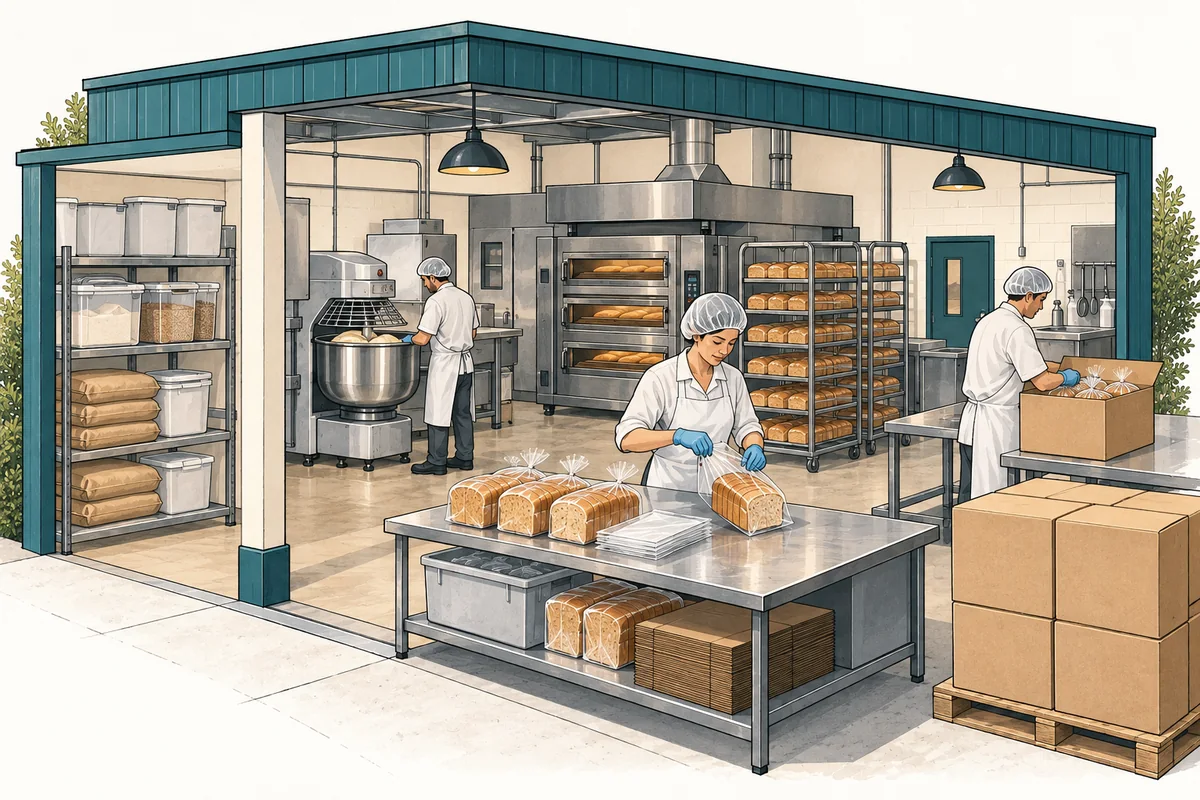
Why can a private-label bakery need cash before it records a sale?
Follow owned materials, work in process, finished loaves, customer acceptance, and payment terms through one private-label bakery planning case.
Read the guide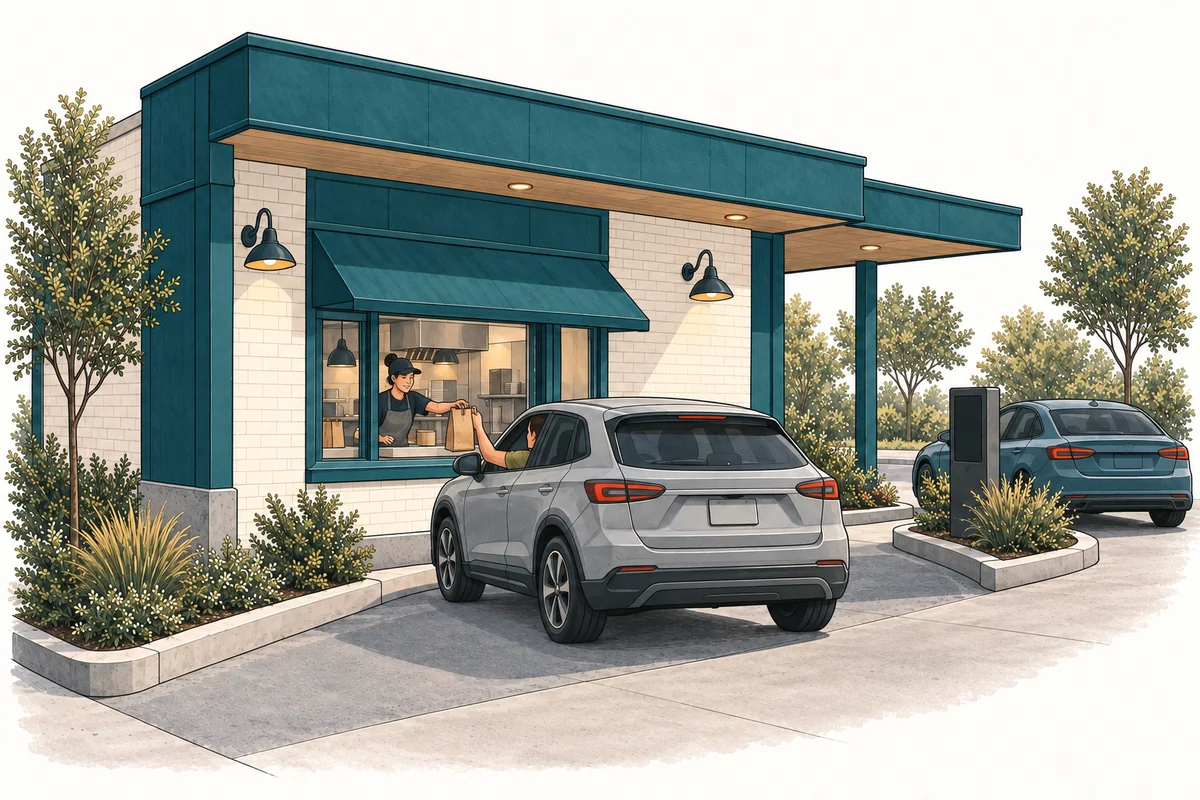
What limits drive-through sales: the lane, the crew, or production?
Compare two drive-through planning cases to see how peak demand, ordering, handover, and paid production capacity determine fulfilled vehicle orders.
Read the guide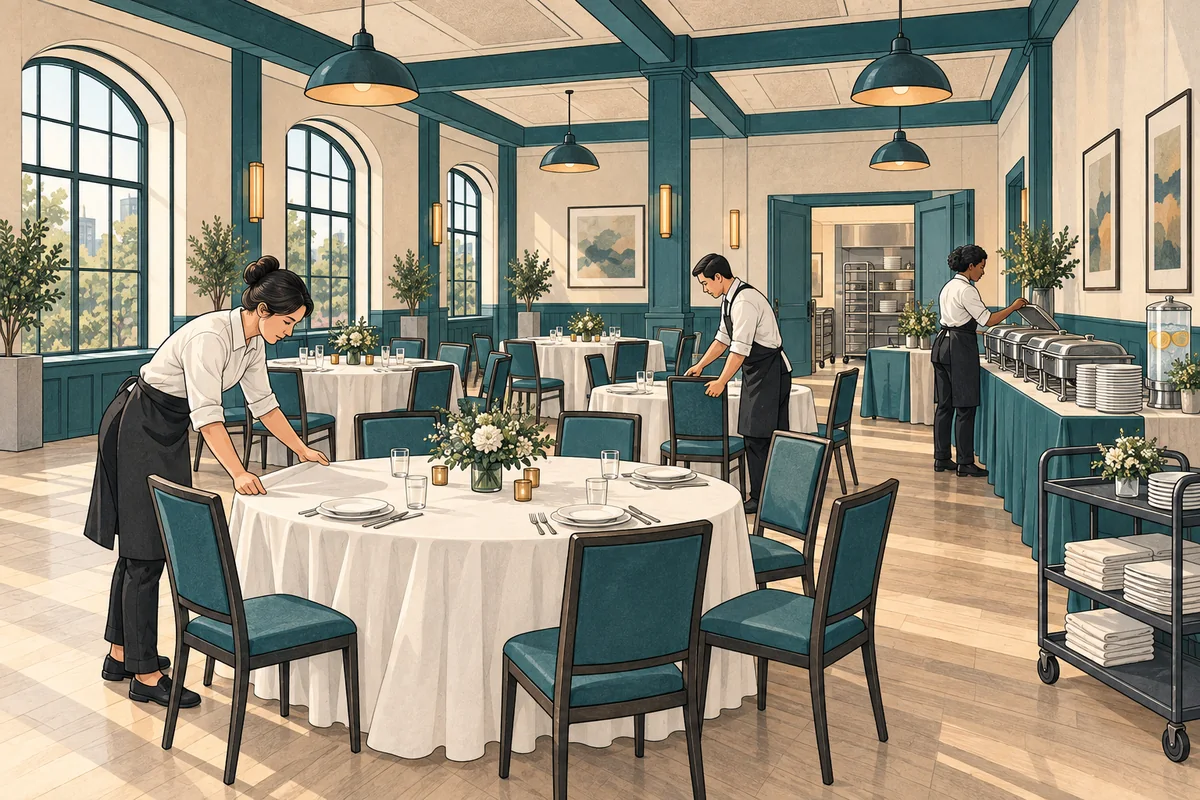
How do event bookings and deposits affect revenue and cash?
Trace one venue booking from its advance deposit to the completed event, separating package revenue, guest supplements, refunds, and available cash.
Read the guide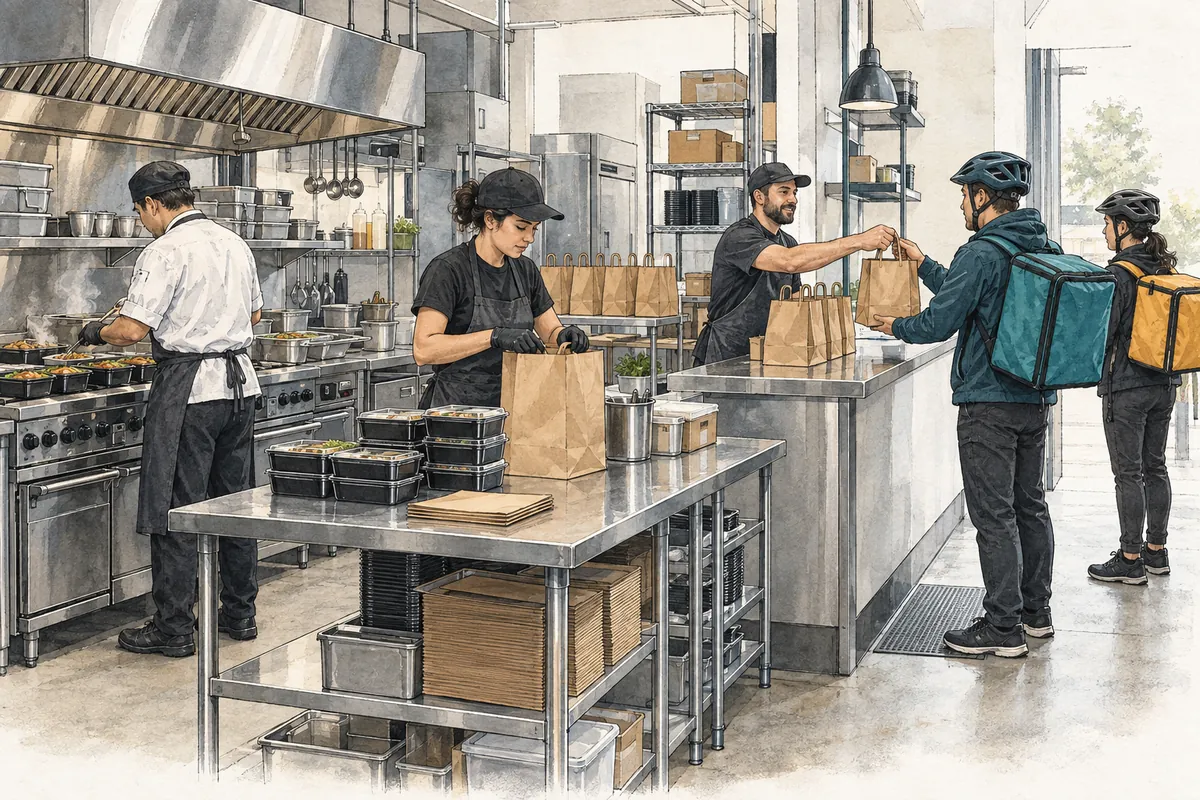
How much does a delivery order leave after channel costs?
Compare marketplace and direct delivery orders using their own fee bases, then connect order contribution to shared kitchen, dispatch, and paid staffing limits.
Read the guide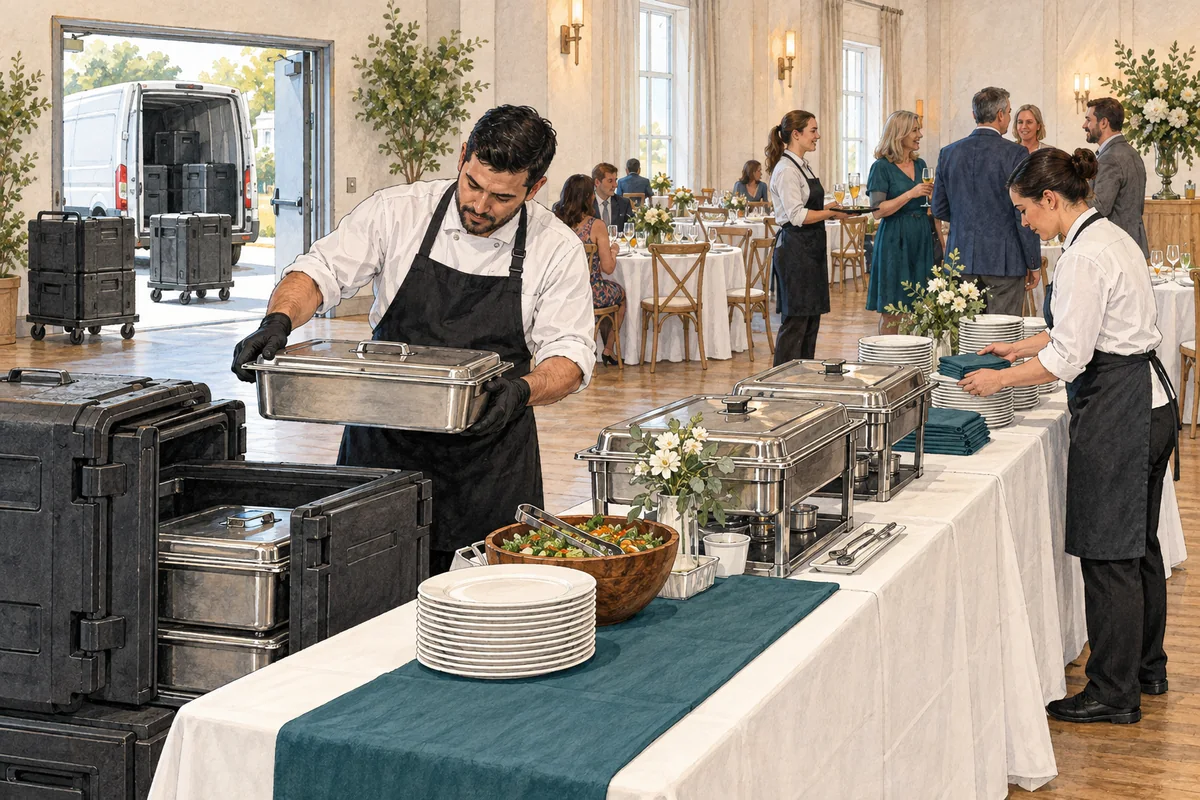
How do event guarantees differ from actual service workload?
Compare a staffed catering package with an event coffee bar to separate guaranteed billing, expected attendance, crew capacity, and advance cash.
Read the guide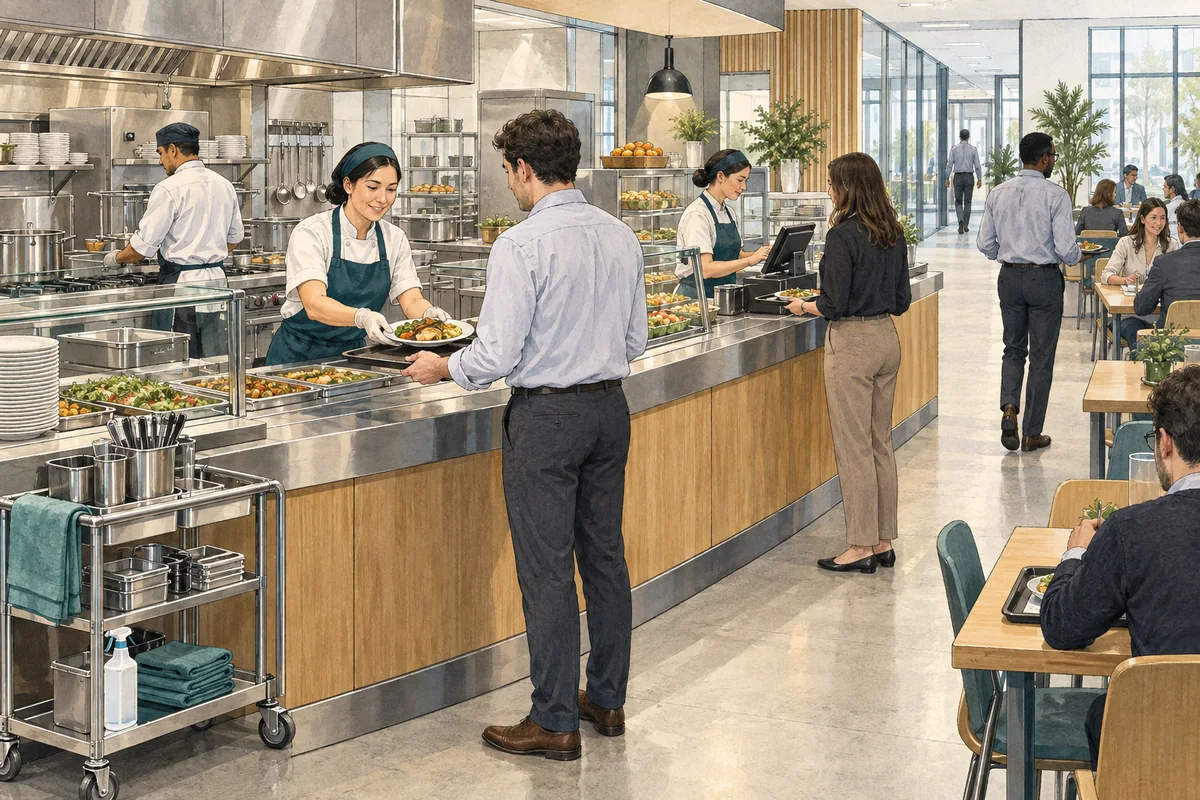
How should employee payments and a client subsidy enter a cafeteria forecast?
Count one cafeteria meal with two payers, separate host and operator responsibilities, and check the cash timing behind the subsidy.
Read the guideHow do dine-in and takeaway orders share quick-service capacity?
Follow quick-service demand through seating, meal preparation, ordering, and paid handover without assigning the same capacity to two channels.
Read the guide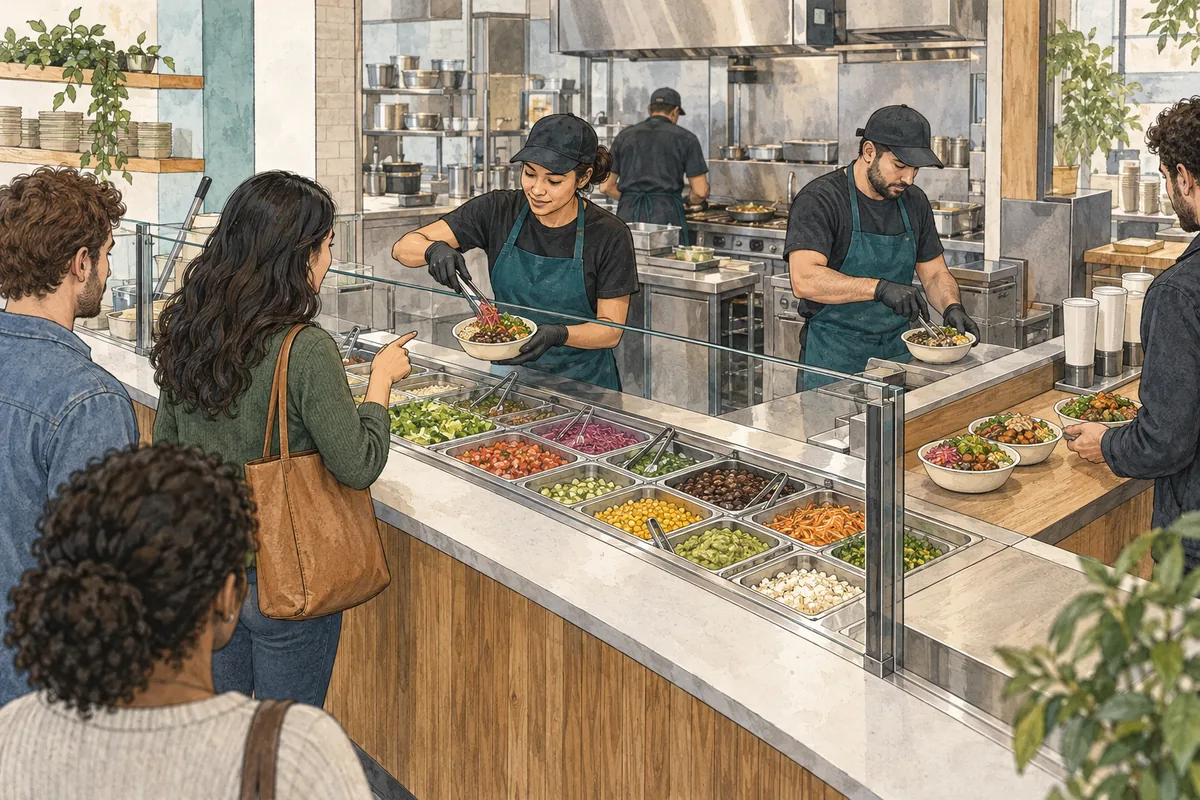
When does menu customization reduce fast-casual capacity?
Trace how a fast-casual menu premium changes assembly time, ingredient cost, and fulfilled orders in one selected restaurant planning case.
Read the guide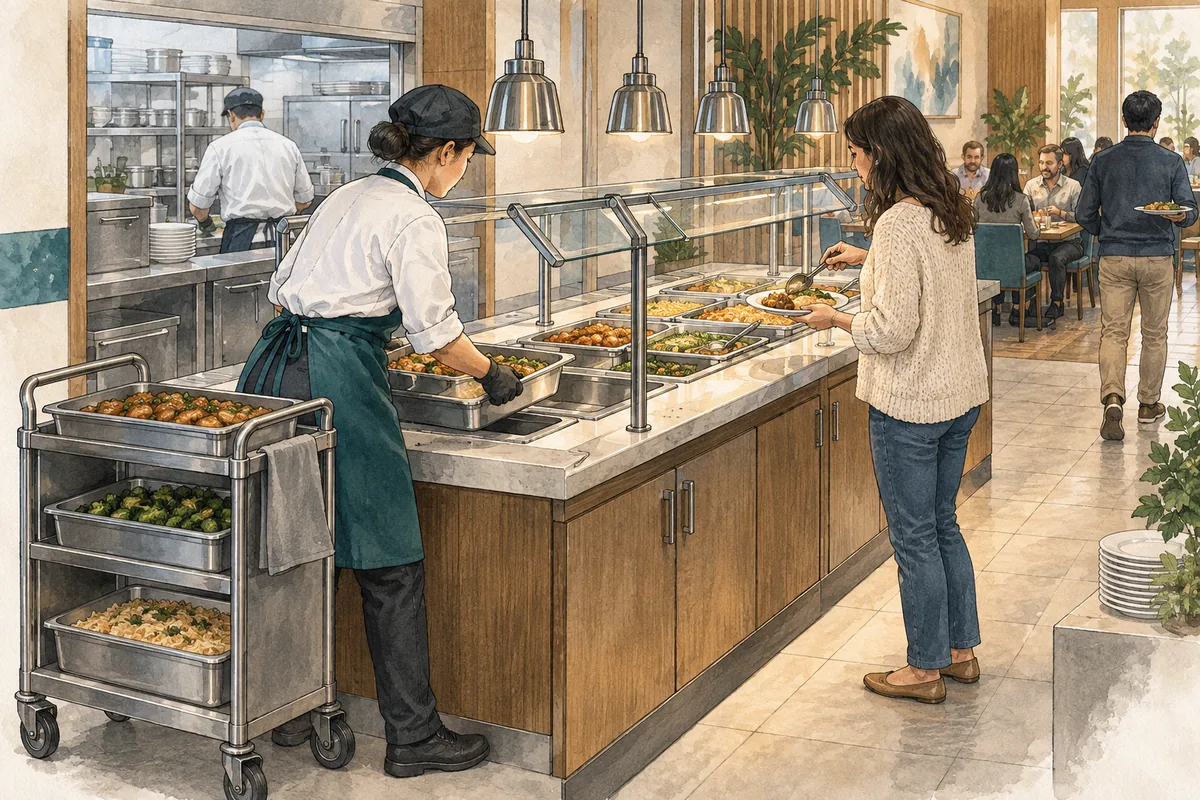
How should unlimited menus separate admission from food consumption?
Compare how a buffet and guest-cooked Korean BBQ case count paid visits, repeat portions, food losses, table capacity, and paid service work.
Read the guide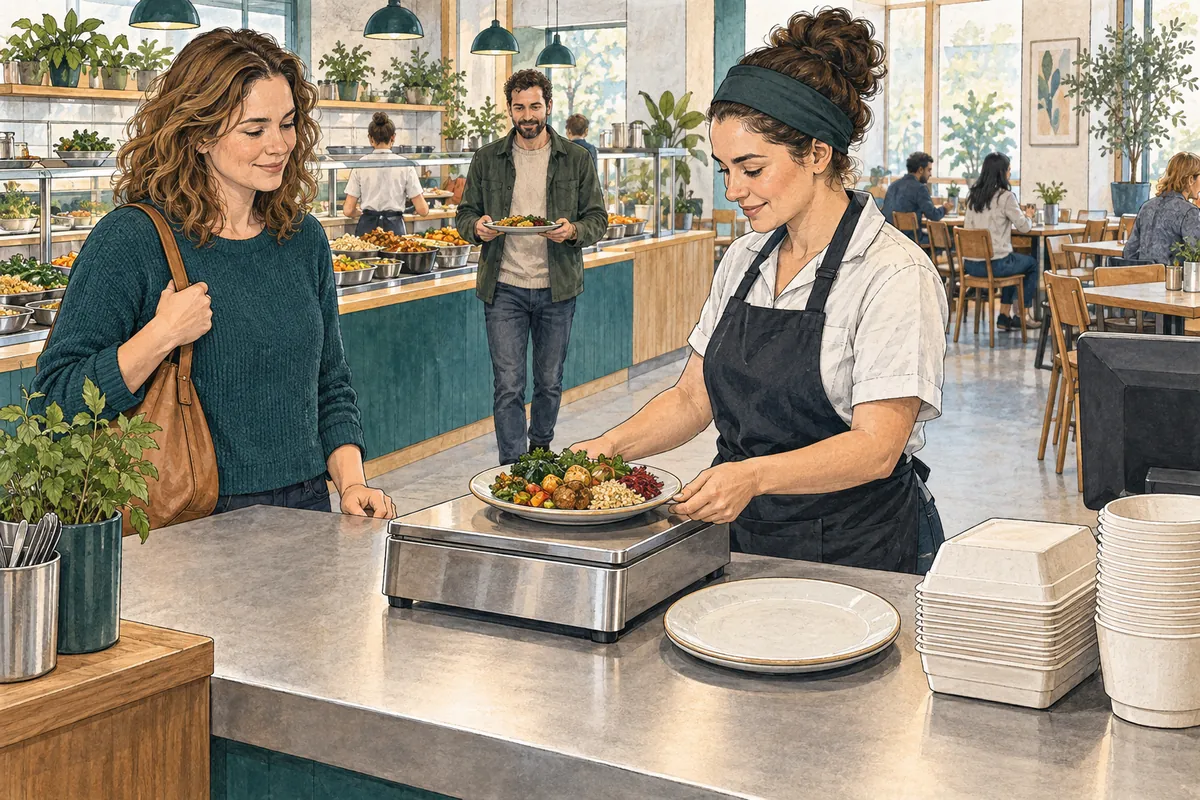
How do tare and food losses affect pay-by-weight restaurant margins?
Follow net food weight from checkout revenue back to prepared output, holding loss, unsold food, and raw ingredient withdrawals in one planning case.
Read the guideHow do scheduled sittings and no-shows affect a fixed-menu forecast?
Follow fixed-menu reservations through synchronized service capacity, prepared menus, attendance, and optional pairings to see what becomes earned revenue.
Read the guide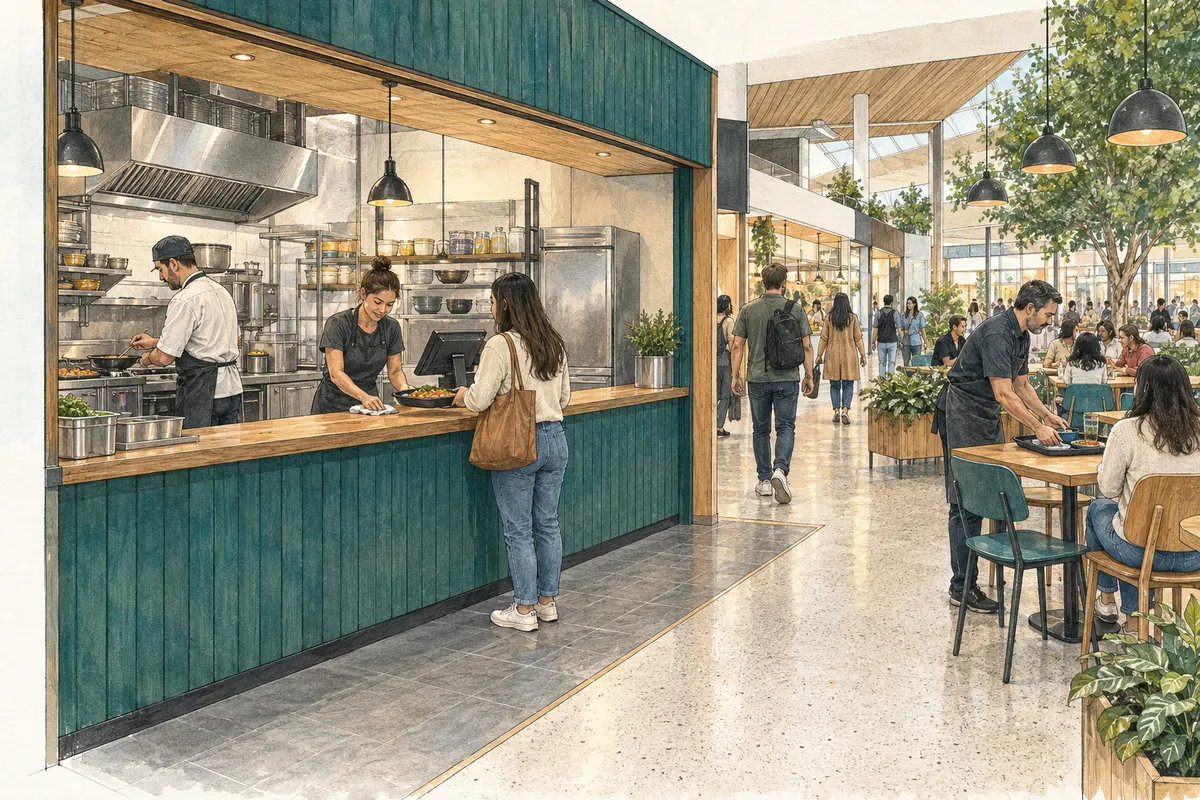
Which food-court costs belong to the stall and which belong to the host?
Separate inclusive concession rent from tenant expenses, then trace shared venue traffic through the stall's own demand, seating, kitchen, and counter limits.
Read the guide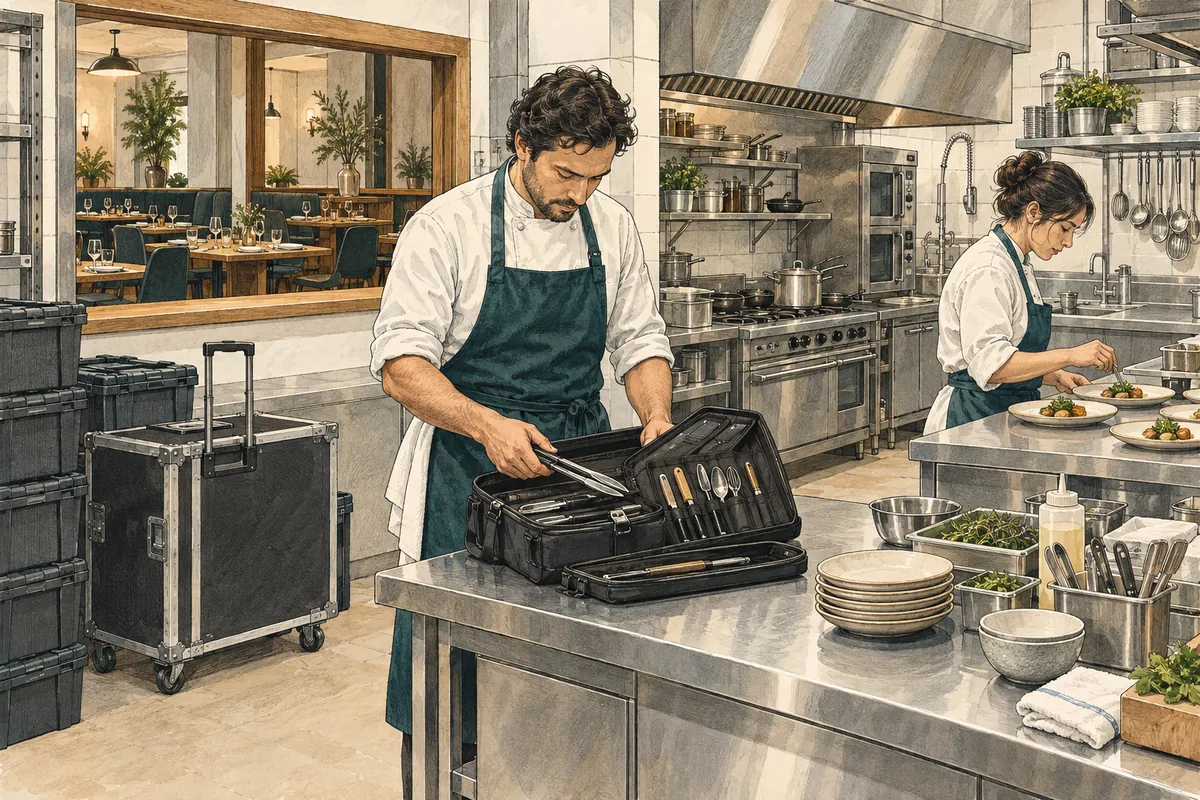
How should a finite restaurant residency cover costs outside its trading window?
Build a pop-up restaurant forecast around contracted access, dated staff commitments, and off-season costs, then check whether any capital recovery lasts.
Read the guide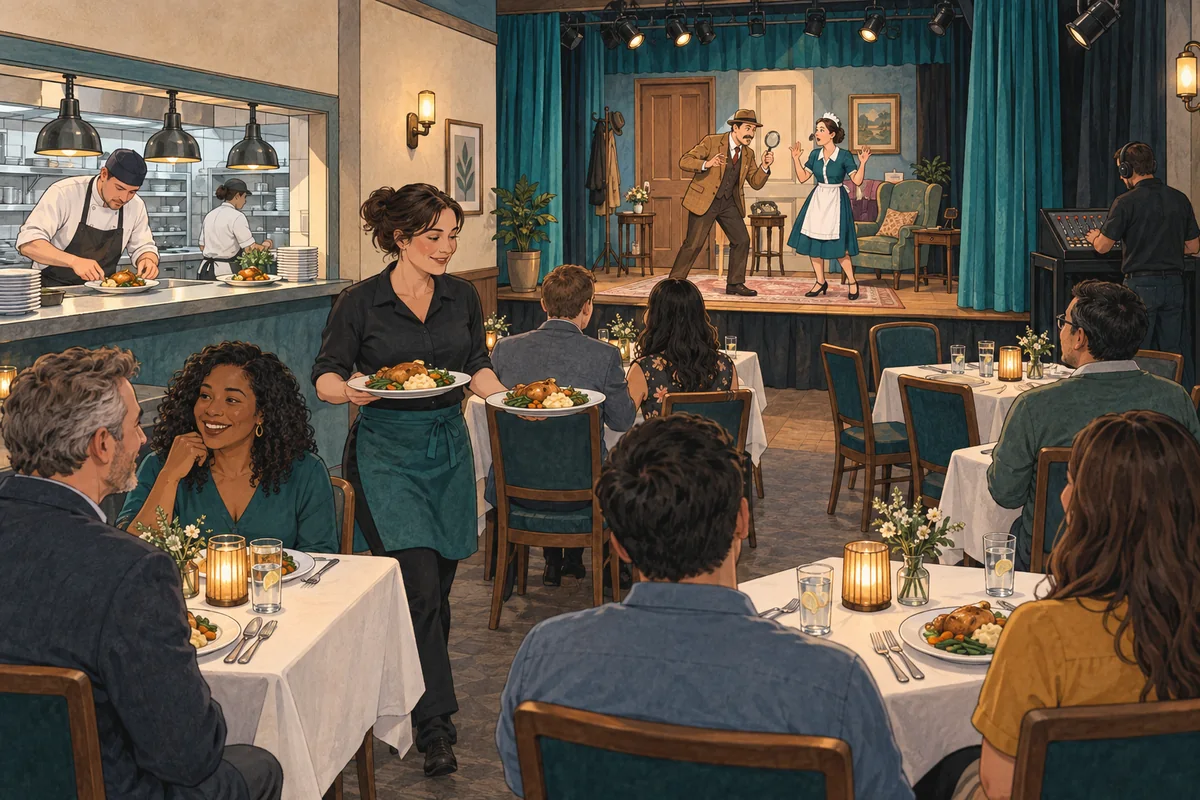
Why does dinner-show capacity require more than available seats?
Connect inclusive tickets, complimentary meals, paid performance and rehearsal time, and prepaid show cohorts in a dinner-show restaurant forecast.
Read the guide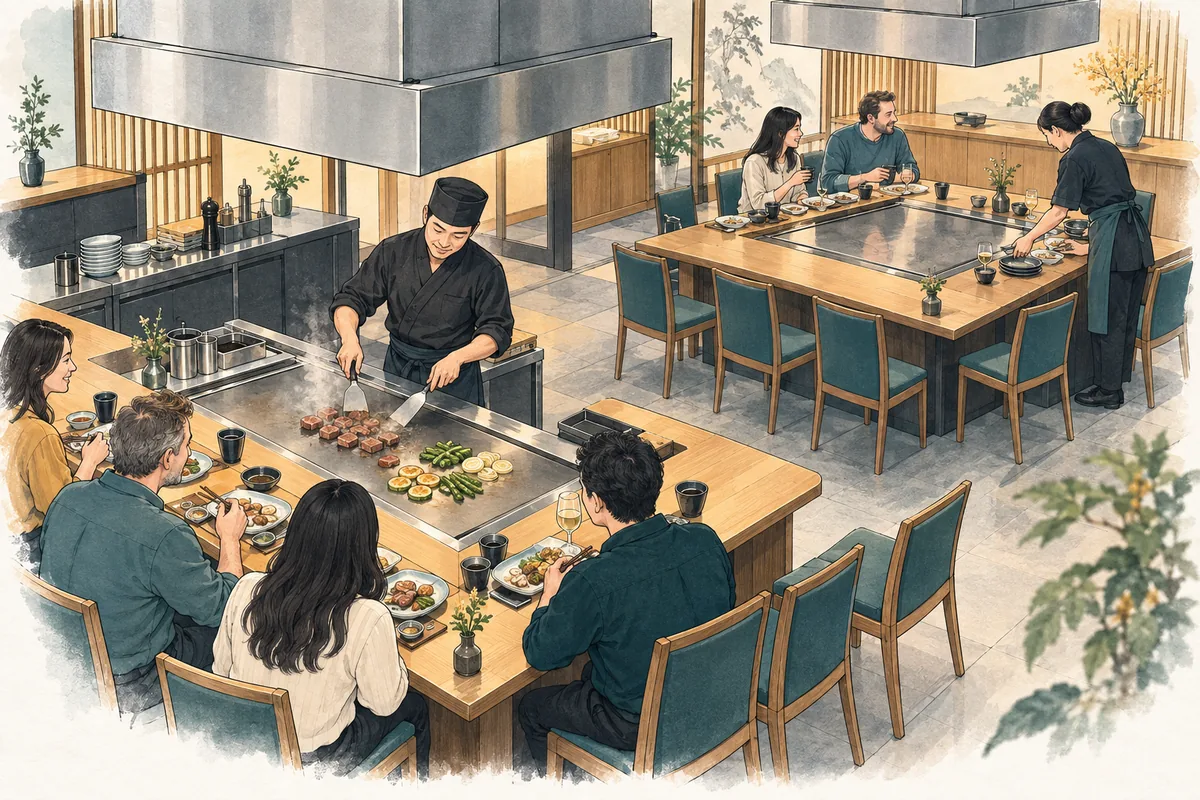
How do chefs and table cycles jointly limit teppanyaki covers?
Follow communal-table fill, chef engagement, table clearing, and funded support shifts to calculate a feasible teppanyaki service schedule.
Read the guide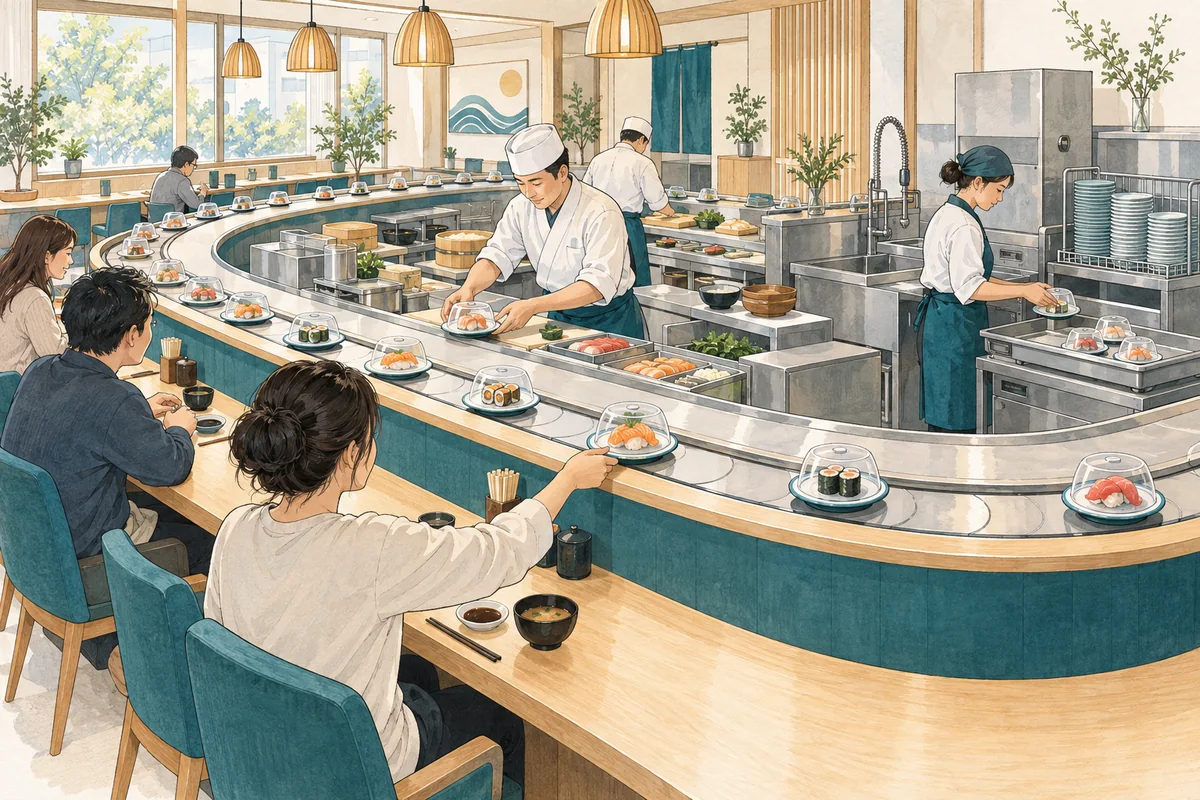
How do belt plate sales, discard and circulation limit a conveyor restaurant?
Separate sold plates from production and discard, then compare belt residence, staffed preparation, service, and dishwashing limits in a conveyor restaurant.
Read the guide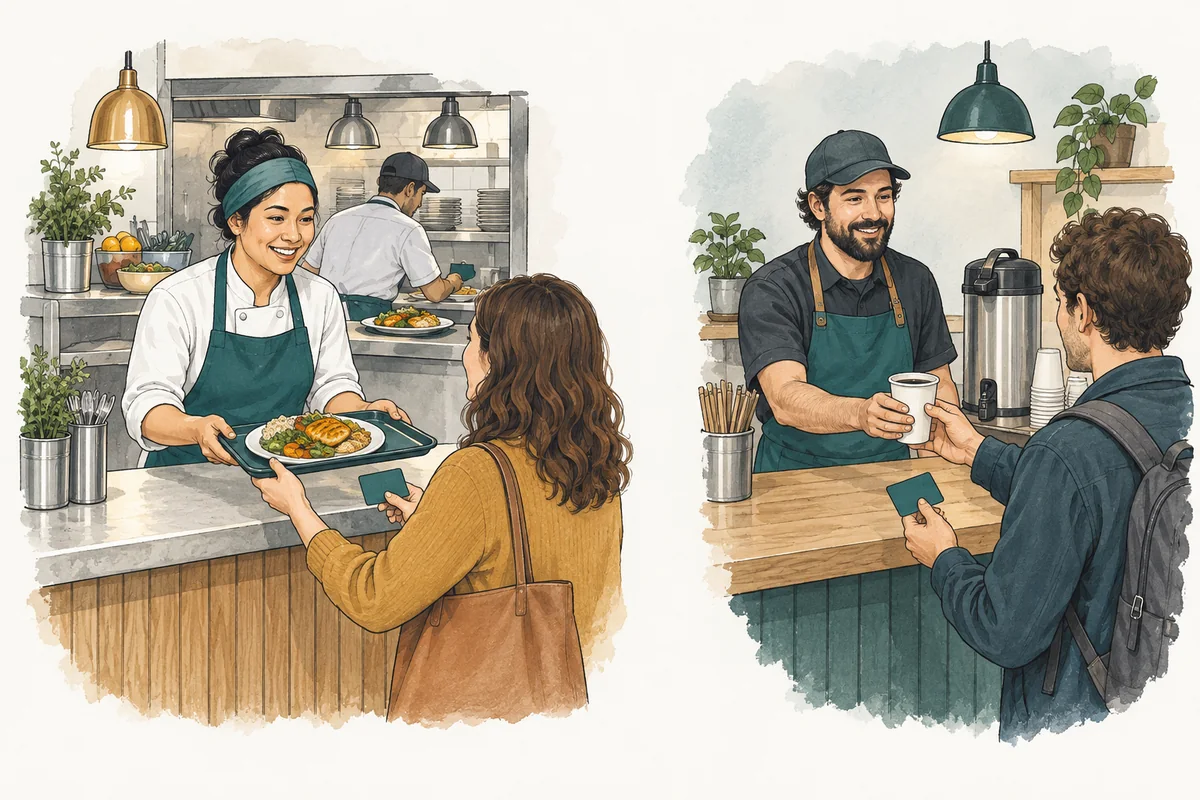
How should food and coffee subscriptions separate members, use and earned revenue?
Compare refundable meal credits with an expiring monthly coffee service, tracing membership billing, redemption, capacity, refunds, and customer advances.
Read the guide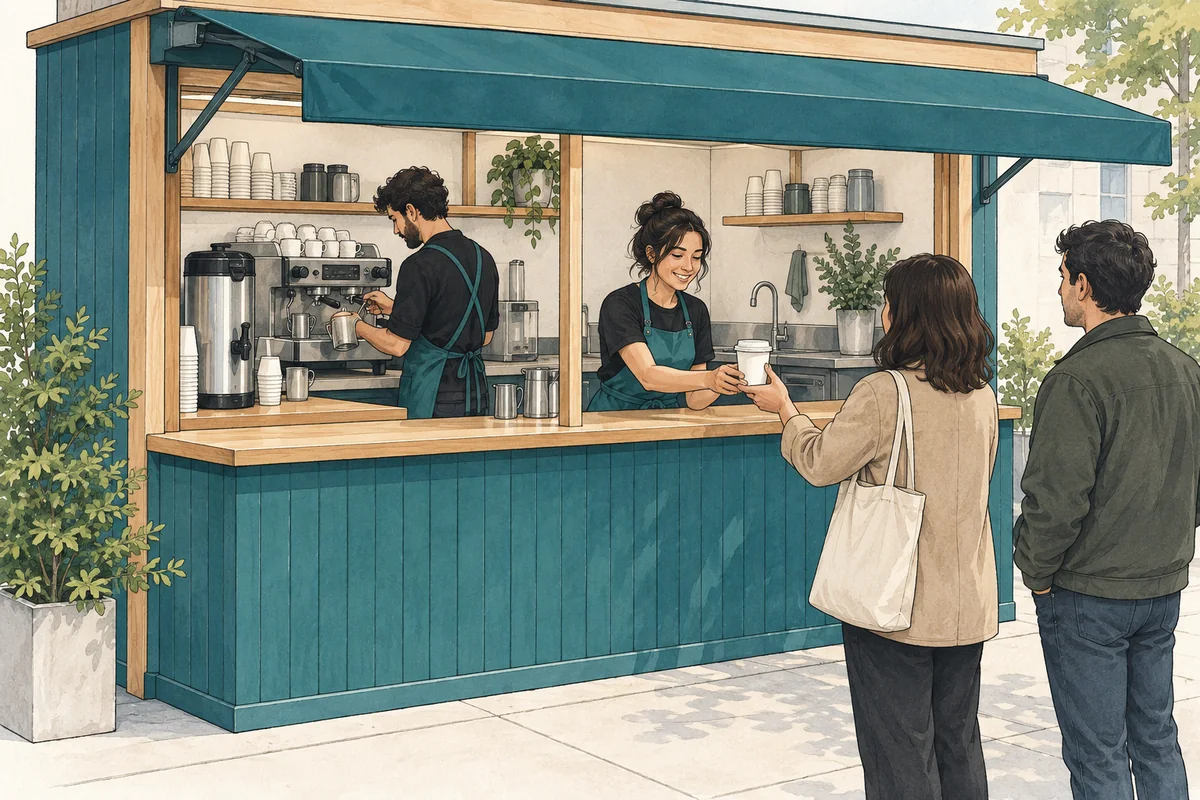
How do drink mix and paid staffing limit a takeaway coffee kiosk?
Turn funded staff hours into preparation and handover capacity, then test how a takeaway kiosk's drink mix limits monthly orders without assuming a peak-hour queue forecast.
Read the guide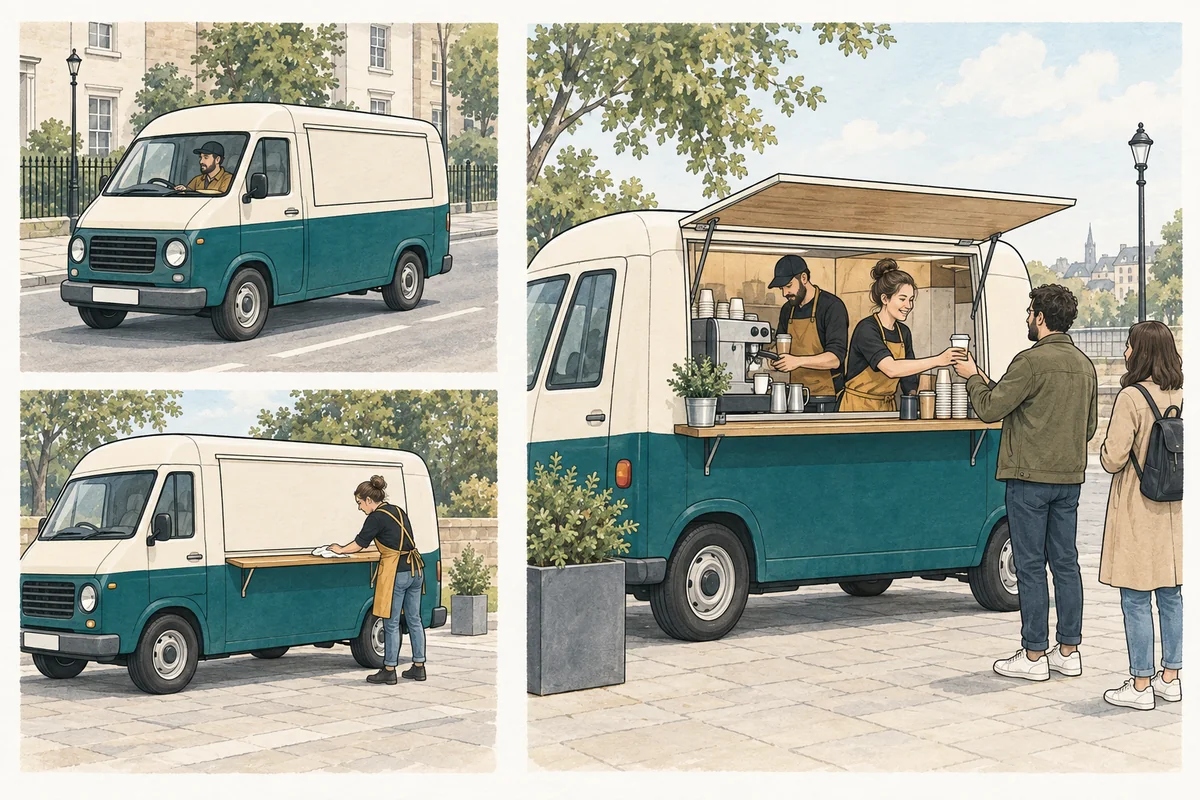
How much of a coffee truck route is actually available for selling?
Separate a coffee truck's selling windows from travel and setup, calculate drink throughput, and test each stop against its own demand and paid route costs.
Read the guide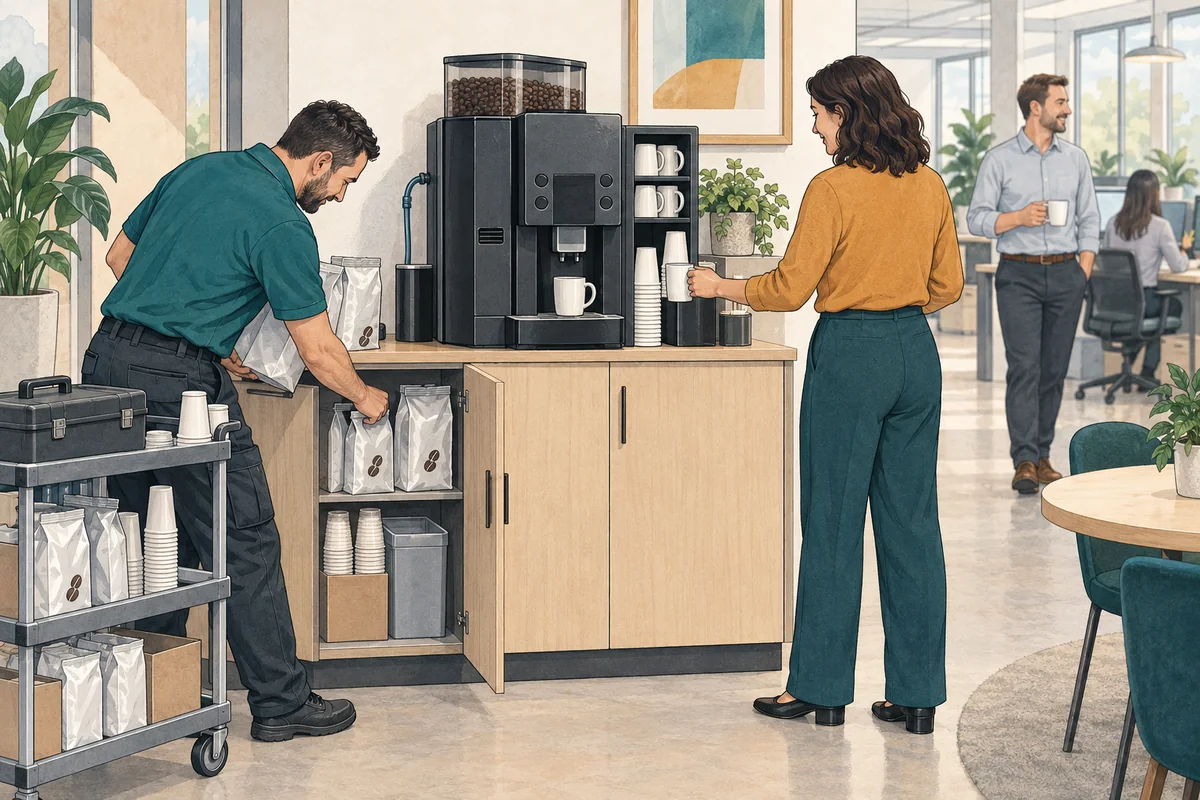
How many employer coffee sites can purchased stations and paid service staff support?
Separate employer invoices from included drink consumption, then compare purchased coffee stations, driver visits, and technician time before expanding a workplace portfolio.
Read the guide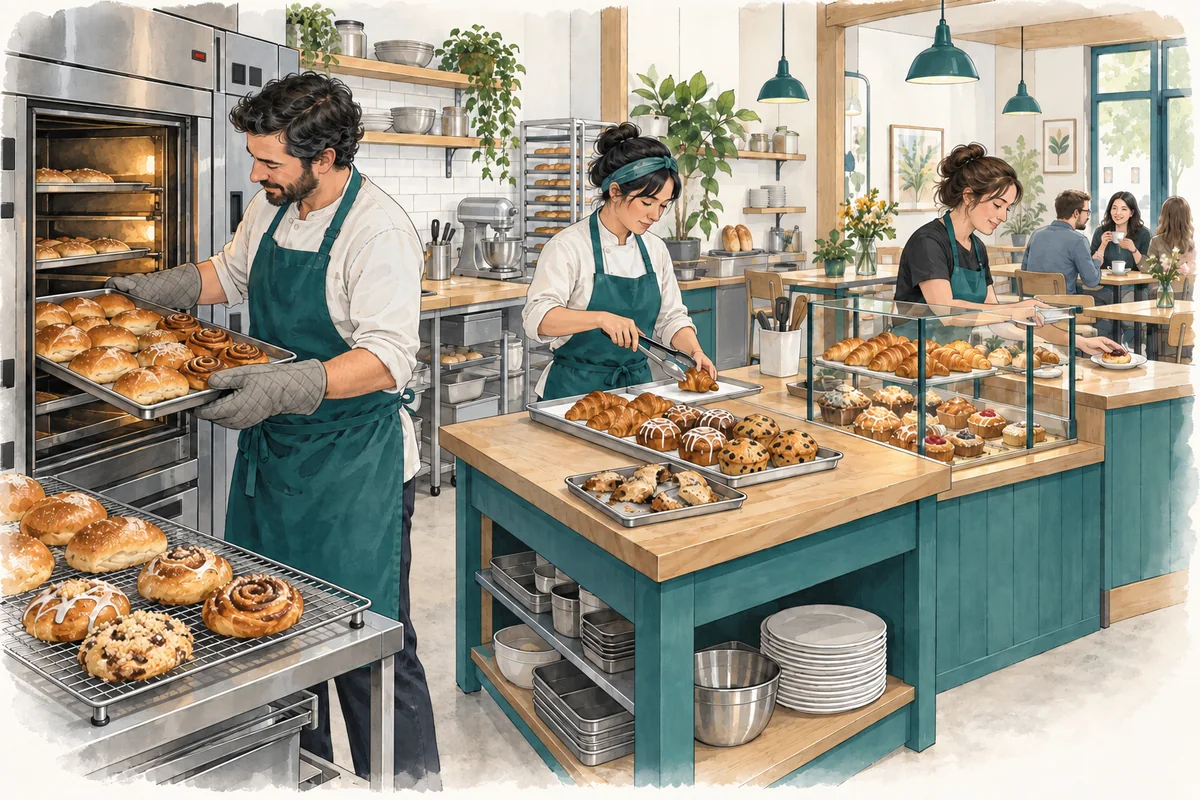
How do baking losses and seating limits shape a bakery cafe forecast?
Convert gross bakery output into saleable items, compare each resource in guests per day, and account for ingredients used by rejected and unsold products.
Read the guide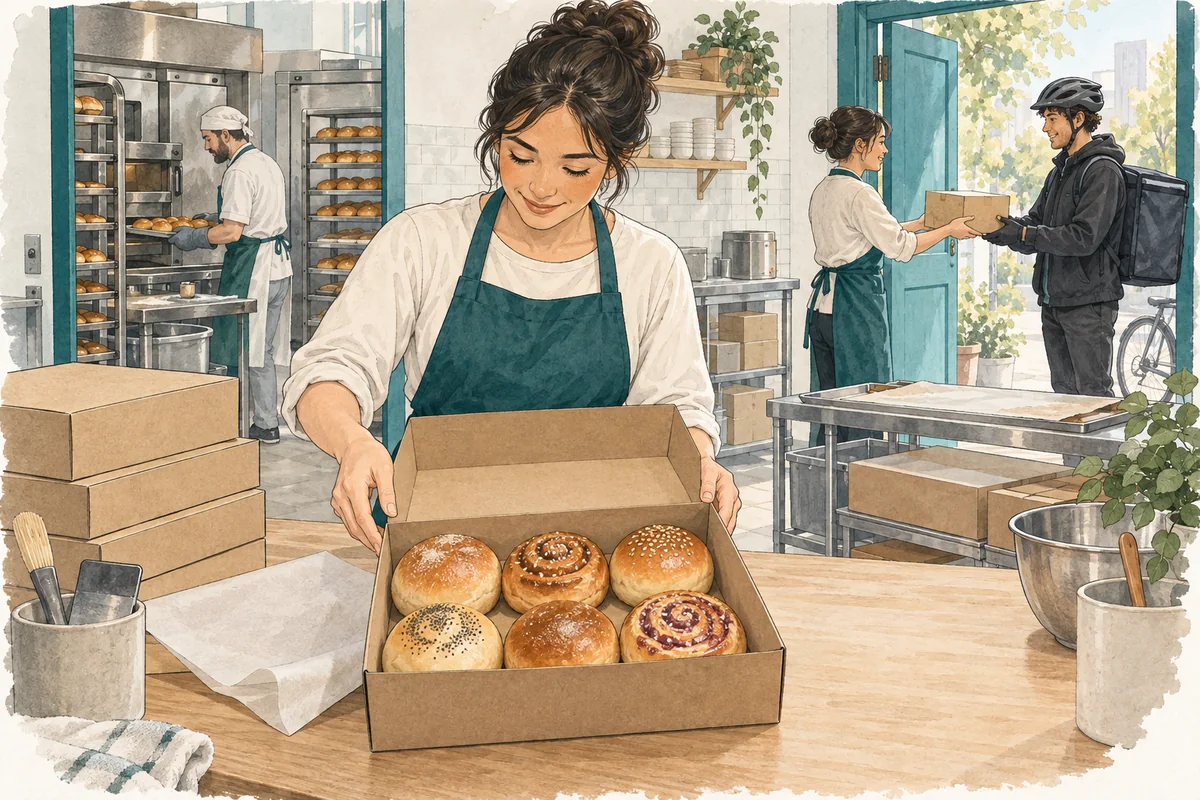
What does a delivered bakery box leave after production loss and courier cost?
Follow a six-piece bakery box through separate yield losses, packaging, retained delivery revenue, courier payment, and processing costs before testing payroll coverage.
Read the guideWhy should a restaurant financial plan include owner pay?
See how one restaurant planning case budgets owner pay, employer costs, and two pre-opening months, while keeping salary separate from investment returns.
Read the guideWhich restaurant business idea fits the way you want to operate?
Choose among dine-in, pickup, delivery, catering, and a temporary residency by comparing the customer promise, operating work, and commitments each creates.
Read the guideWhich coffee business fits your customers and working day?
Compare a seated coffee shop, takeaway kiosk, mobile truck, and employer-paid service by customer, location, daily work, and the evidence each idea needs.
Read the guideShould your bakery sell cafe visits, branded orders, or private-label production?
Choose a bakery format by its buyer, production promise, route to market, inventory responsibility, and the work you want to manage.
Read the guideIs a drive-through burger restaurant the right business idea for you?
Assess a drive-through burger concept through its customer occasion, site, menu, paid team and evidence before choosing this operating format.
Read the guideIs a full-service event venue the right business idea for you?
Assess a full-service event venue through its customer promise, package boundaries, reserved dates, paid team and premises commitment.
Read the guideHow to open a full-service restaurant with a workable service plan
Build a restaurant opening sequence around the menu, premises, paid shifts, service rehearsals, and cash commitments that must work together before launch.
Read the guideHow to open a seated coffee shop around the guest visit
Define the seated cafe experience, check the bar and premises, confirm pastry supply, and test the paid operating schedule before committing to an opening date.
Read the guideHow to open a bakery cafe with a production plan that reaches the counter
Connect the bakery menu, mixing and proofing schedule, premises, paid shifts, sell-through tests, and opening cash before launching a seated bakery cafe.
Read the guideHow to open a drive-through burger restaurant from site to service
Verify the drive-through site, access, lane workflow, kitchen and crew before tying an opening date and funding plan to a compact burger restaurant.
Read the guideHow to open a full-service event venue before taking bookings
Define the venue package, confirm usable capacity and event hours, prove the crew and kitchen, and connect booking commitments to the opening cash plan.
Read the guideNo guides match those filters.
Try a shorter phrase or choose all guides.
Seven ways into the plan
Choose the question you need to answer next.
Put the operating plan into a workbook.
Review the model's scope, inputs, and outputs before choosing your own assumptions.