
Financial planning: understand the assumptions first.
Practical lessons in reading a workbook, documenting inputs, and connecting the operating plan to its financial outputs.
What this topic covers
- Units, timing, and source records
- The chain from inputs to outputs
- Explainable scenarios and changes
Financial Planning guides
Case-based explanations with visible assumptions, definitions, and sources.

How to read financial assumptions before editing an Excel model
Follow the chain from operating assumptions to calculated results, check units and timing, and keep a useful record of changes to a financial workbook.
Read the guide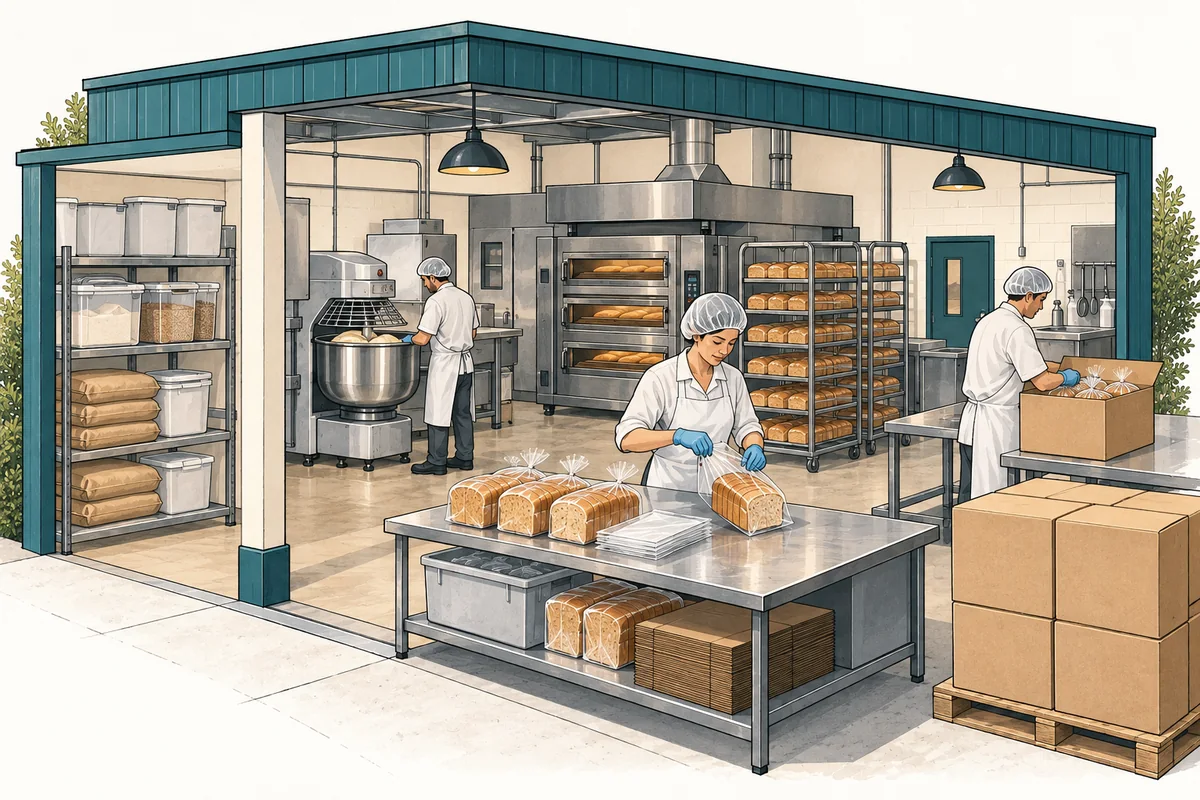
Why can a private-label bakery need cash before it records a sale?
Follow owned materials, work in process, finished loaves, customer acceptance, and payment terms through one private-label bakery planning case.
Read the guide
How do event bookings and deposits affect revenue and cash?
Trace one venue booking from its advance deposit to the completed event, separating package revenue, guest supplements, refunds, and available cash.
Read the guide
How should a finite restaurant residency cover costs outside its trading window?
Build a pop-up restaurant forecast around contracted access, dated staff commitments, and off-season costs, then check whether any capital recovery lasts.
Read the guide
How should food and coffee subscriptions separate members, use and earned revenue?
Compare refundable meal credits with an expiring monthly coffee service, tracing membership billing, redemption, capacity, refunds, and customer advances.
Read the guide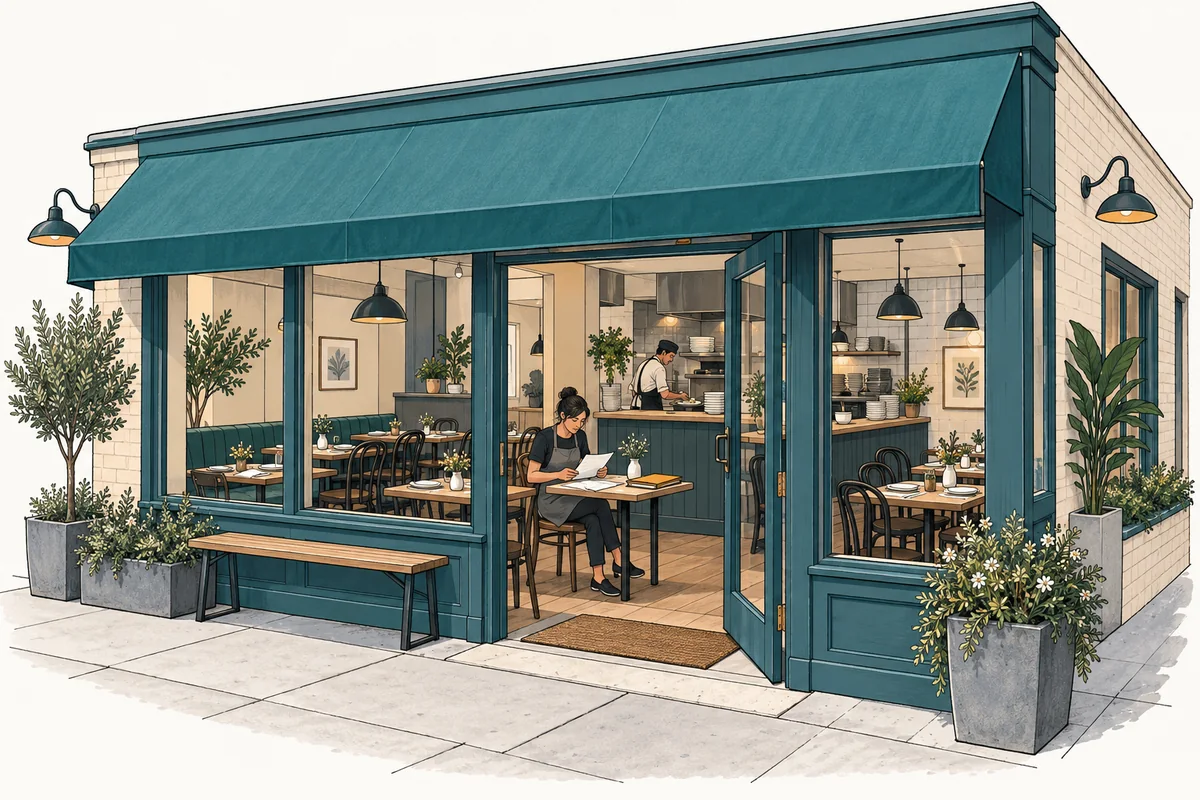
Why should a restaurant financial plan include owner pay?
See how one restaurant planning case budgets owner pay, employer costs, and two pre-opening months, while keeping salary separate from investment returns.
Read the guideNo guides match those filters.
Try a shorter phrase or choose all guides.
Explore another topic
Choose the question you need to answer next.
Put the operating plan into a workbook.
Review the model's scope, inputs, and outputs before choosing your own assumptions.